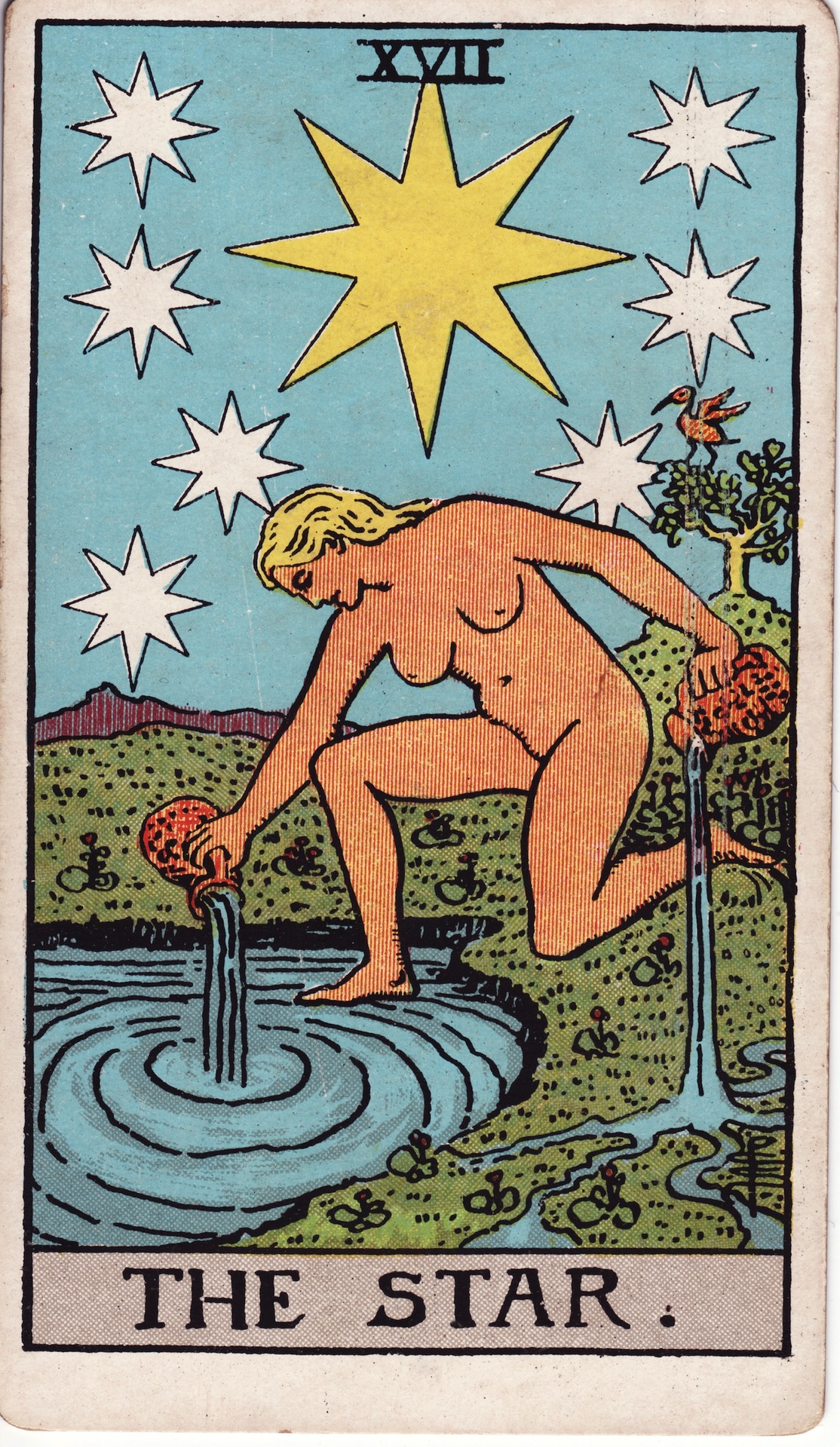
 The Star
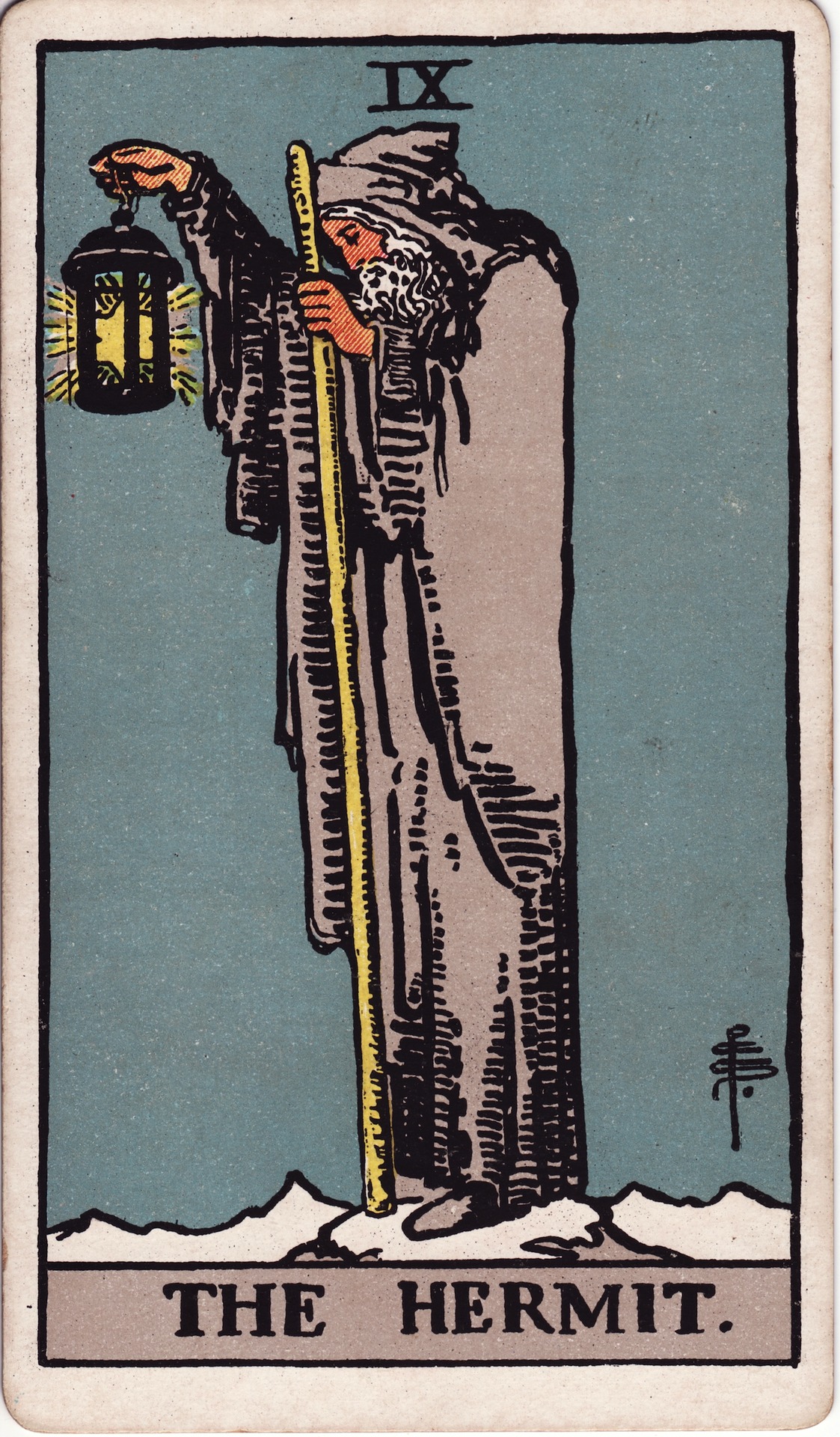 The Hermit
A theme per week, not an event per day
The month-ahead readings that disappoint are the ones that try to say what will happen on the 14th. A month is long enough for the same question to look different three times. A card per week gives you a lens for each stretch and leaves the events to real life.
Choose the month’s question before you draw. “What do I want to pay attention to this month?” is enough. If there is one situation on your mind, name it, and the weekly themes will read against it.
The four-week spread
Lay four cards in a row. Each is a week. Read each card as the quality of attention to bring to that week. Add a fifth card above the row only if you want a theme for the whole month.
Write a single line per week on the page: the card, the theme in your own words, and one small thing you intend to do with it. The intention keeps the reading from being a horoscope you forget by Tuesday.
- Week 1: what to notice as the month opens
- Week 2: where to put effort
- Week 3: what to let be
- Week 4: what to close or carry forward
- Optional fifth card: the month in one image
Example: a month of job interviews
A fictional example. Someone with three interviews spread across a month draws the Eight of Pentacles for week one, the Queen of Swords for week two, the Four of Swords for week three and the Three of Cups for week four.
Their notes are plain: prepare properly (week one), say exactly what they mean (week two), rest instead of rehearsing (week three), and tell friends how it went regardless of the outcome (week four). None of this predicts an offer. All of it changes how they spend the month.
At the end they write what actually happened next to each week. Two themes fit, one did not, one they forgot. That record is more useful than the draw.
The check-in date
Pick the day you will reread the spread: the 15th and the last day of the month are easy to remember. On each check-in, add one line per week that has passed. Do not draw again before the month ends; a second draw usually means the first one was not finished.
If the month changes direction halfway, write that down and keep the original cards. The point is a record of attention, not a correct prediction.
What this spread is not for
A month-ahead spread is a reflection tool and, honestly, a bit of pleasure. It does not know your calendar, your finances or your health, and it should not be the reason you skip a conversation with a doctor, an adviser or a partner.
If you want the same structure done for you, with the cards interpreted against your own question, the Month Ahead reading below does exactly this: four weekly themes, one page each, a check-in prompt at the end. You can also do the whole thing with your own deck and this page.
Common questions
Should I draw a card for every day of the month?
Not with this spread. A card per week is easier to keep up with and less likely to become a forecast you argue with.
What if a week’s card seems negative?
Treat it as something to pay attention to that week, not an event to brace for. Write an alternative reading and a small intention.
Can I do this for someone else?
You can draw with them, but the intentions have to be theirs. Keep other people’s private details out of anything you write online.
See the report example
Month Ahead Reflection: 5 cards, 11-page PDF. In preparation · planned $14.99 USD; checkout closed.
Continue reading
Method: symbolic reflection. Examples are fictional and interpretations are possibilities, not verified predictions. Tarot is for reflection and entertainment, not professional advice.